
Best Practices for Construction Site Waste Management
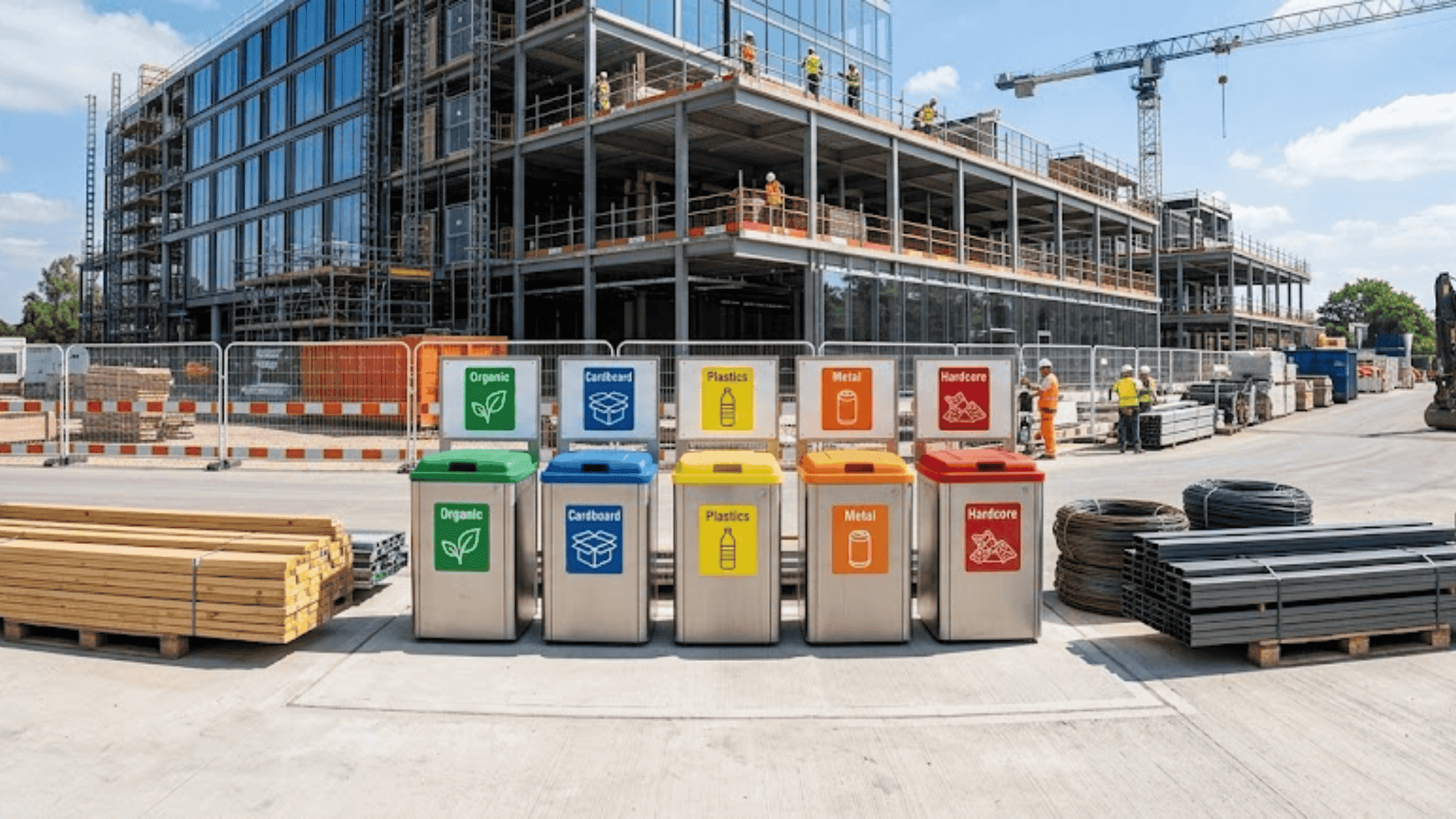
Waste Management in Construction
Construction generates significant waste, but with proper planning and management, much of it can be diverted from landfills. The construction industry accounts for approximately 30% of all waste generated globally, making effective waste management critical for environmental sustainability.
The Three R's: Reduce, Reuse, Recycle
Implementing a comprehensive waste management plan starts with reducing material waste at the source, finding ways to reuse materials on-site, and establishing effective recycling programs.
Reduce
Accurate material estimation to avoid over-ordering
Prefabrication to minimize on-site cutting waste
Digital planning to reduce paper waste
Just-in-time delivery to prevent damage from storage
Reuse
Salvaging materials from demolition
Using scrap materials for blocking and bracing
Donating unused materials to community organizations
Selling valuable materials to reclamation yards
Recycle
Concrete and asphalt crushing for aggregate
Metal recycling programs
Wood chipping for landscaping mulch
Cardboard and packaging recycling
Every ton of waste diverted from landfills represents both environmental and economic savings.
Creating a Waste Management Plan
A successful plan should include:
Waste audit to identify major waste streams
Clear goals and targets for waste reduction
Designated recycling areas and signage
Training for all site personnel
Regular monitoring and reporting
Economic Benefits
Effective waste management isn't just good for the environment - it's good for business:
Reduced disposal costs
Revenue from recycled materials
Improved project efficiency
Enhanced company reputation
Potential LEED certification points
Moving Forward
As regulations tighten and environmental awareness grows, construction waste management will become increasingly important. Companies that develop strong waste management practices now will be better positioned for future success.