
Have a question or planning a project? Contact our team for expert guidance and reliable support.
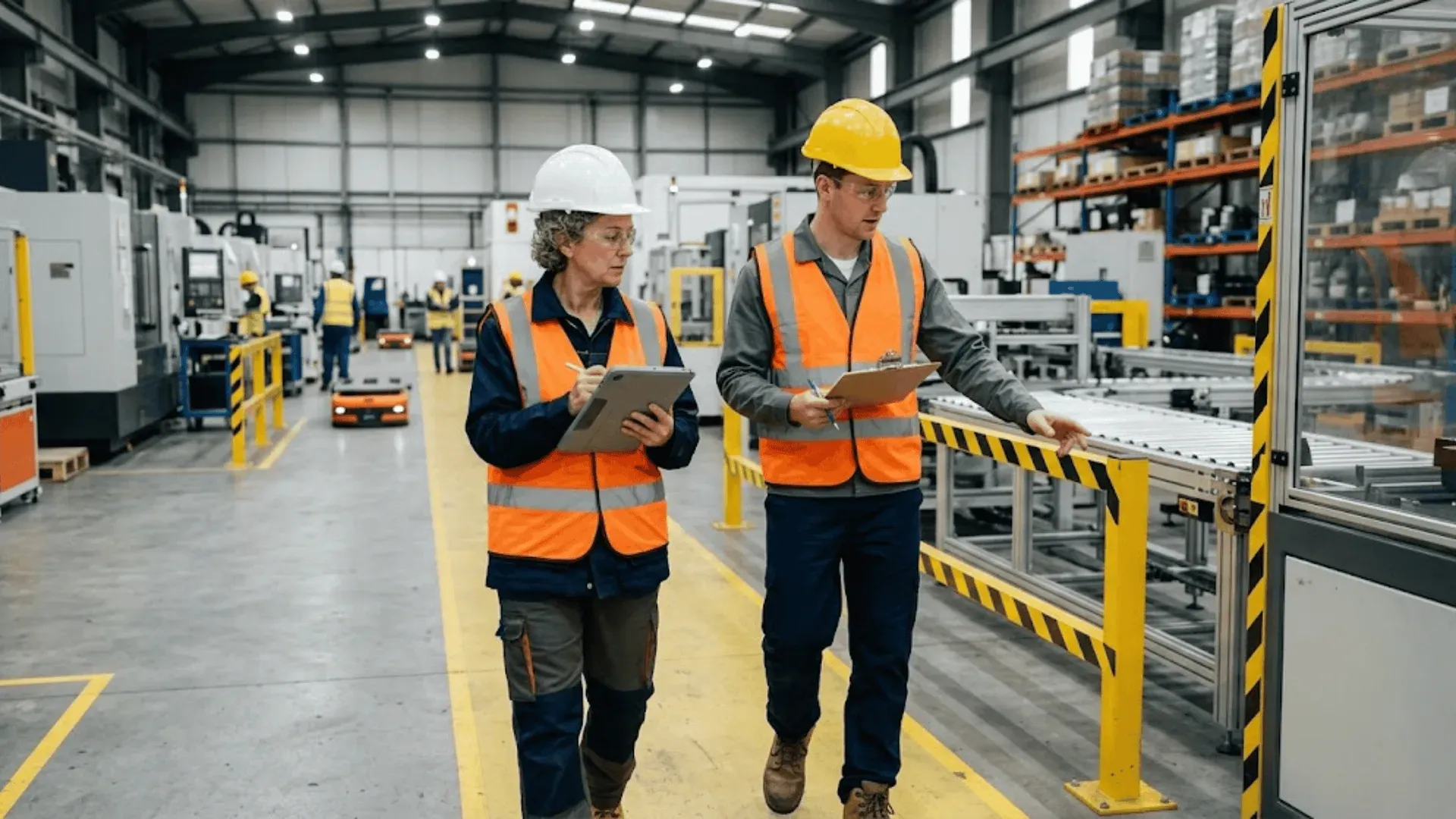
Regular audits and inspections are one of the most effective ways to prevent incidents. They catch hazards before they cause harm. They verify that your safety systems are actually working. And they give your leadership team a clear picture of where things stand.
Our workplace audits go deeper than a quick walk around. We use structured assessment frameworks aligned with Australian WHS regulations and industry best practices to evaluate your safety performance across the board.
Our audits cover physical workplace conditions, safety documentation, management systems, training records, emergency preparedness and worker engagement. We look at what is written down and then check whether it matches what is actually happening on the ground.
We assess compliance with relevant codes of practice, Australian standards and your own internal procedures. If there are gaps between what your system says and what your people do, we find them.
We conduct compliance audits against WHS legislation, system audits against ISO 45001 or your internal standards, and targeted audits focused on specific risks like working at heights, confined spaces or electrical safety.
For businesses considering ISO certification, our audits double as a readiness check. We use the same assessment criteria that certification bodies apply.
You receive a detailed report with findings categorised by risk level. Each finding comes with practical recommendations and suggested timeframes for action. We prioritise issues so you know where to focus resources first.
We can also support you with implementing corrective actions and conduct follow up inspections to verify effectiveness. If the audit reveals specific occupational hygiene concerns, our monitoring services can provide the data you need.
Regular audits build a track record of due diligence that protects your business and your workers. Contact us to schedule an audit or discuss an ongoing inspection program. Our risk assessment services complement audits well for a complete safety picture.
Scheduled audits and inspections contribute more than compliance assurance. They signal to workers that safety is genuinely important to leadership. When managers and directors participate in safety walks and act visibly on findings, the culture shifts. Workers see that safety issues are taken seriously and they become more likely to report hazards themselves.
We help businesses design inspection programs that engage all levels of the organisation. From daily pre start checks by frontline workers to quarterly management safety walks and annual third party audits. Each level of inspection serves a different purpose and together they build a comprehensive picture of safety performance.
For businesses preparing for tender submissions that require demonstrated safety performance, a history of regular audits with documented corrective actions is strong evidence of a mature safety culture. We help structure your inspection programs to generate the records that support tender qualification and client due diligence processes.
Post incident audits are a specific type of assessment we conduct after significant incidents or near misses. The goal is to understand what physical and systemic conditions existed at the time of the incident and whether those conditions are present elsewhere in the workplace.
For most businesses, a formal WHS audit annually with more frequent inspections throughout the year is appropriate. High risk industries and activities warrant more frequent formal audits. Hazardous work like working at heights, confined space entry and electrical work should be inspected more regularly given the potential consequences of failure.
An inspection focuses on physical workplace conditions, identifying hazards and checking that equipment and work areas are in a safe state. An audit is a more systematic assessment of whether safety management systems, procedures and processes are in place, being followed and are effective. Both are important and serve different purposes.
Internal audits conducted by trained staff are valuable and should happen regularly. However, an external audit by an independent party at least annually provides a fresh perspective, avoids the blind spots that internal teams develop, and carries more weight with clients and regulators who want independent verification of your safety performance.
Assign each finding to a responsible person with a clear deadline. Track completion. Verify that the corrective action has actually fixed the issue before closing it out. A system full of open findings with no follow up is worse than no audit at all from a due diligence perspective.
We conduct audits across all industries with particular depth in construction, mining, manufacturing and occupational hygiene compliance. We can also conduct targeted audits focused on specific hazards like hazardous chemicals, plant and equipment, working at heights or electrical safety, depending on your priorities.