
Digital Transformation in Construction Management
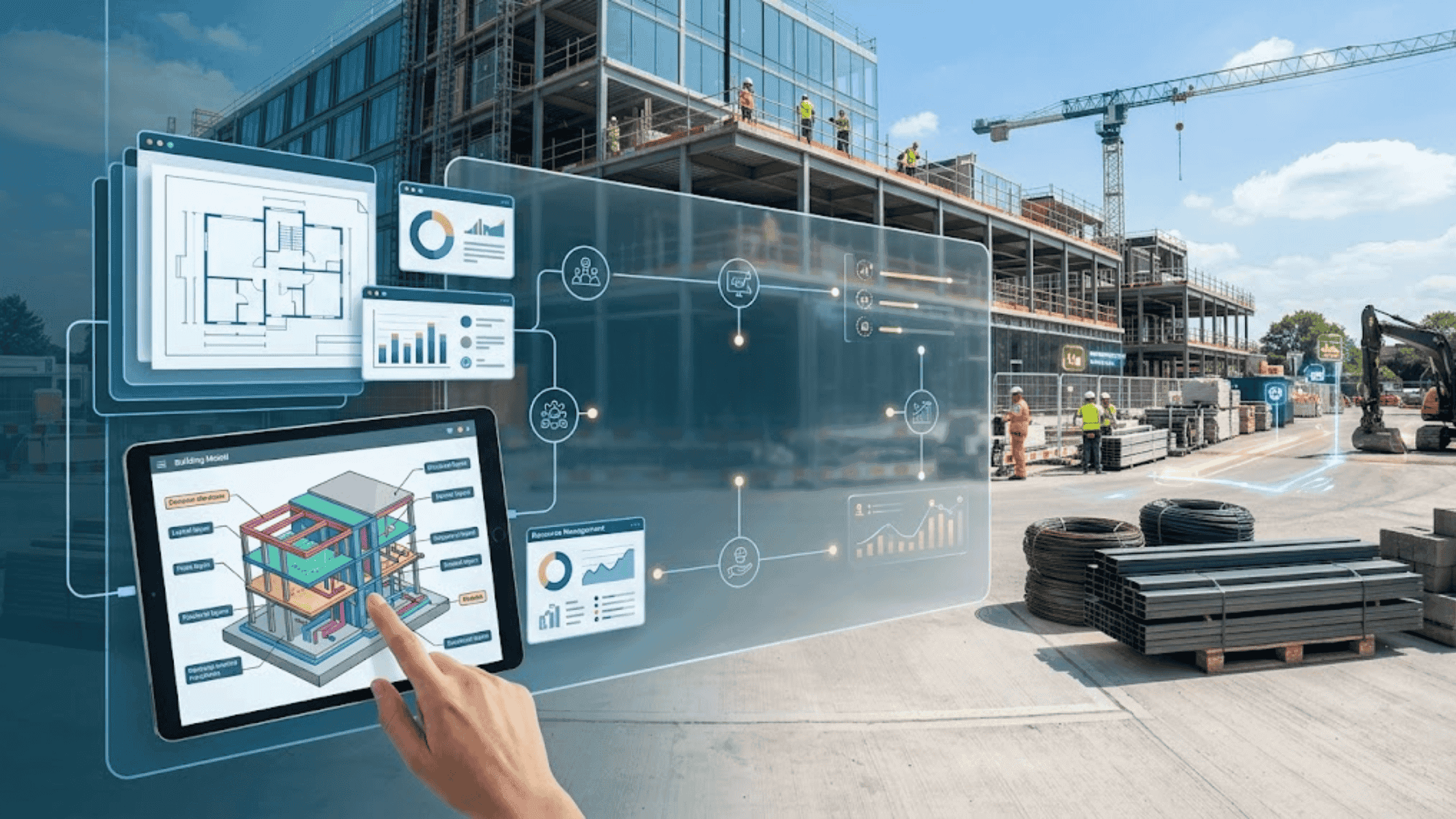
The Digital Construction Era
Digital transformation is no longer optional in construction. From BIM to drone surveys, technology is reshaping every aspect of how we build. Companies that embrace these tools gain significant competitive advantages in efficiency, accuracy, and profitability.
Key Technologies
Building Information Modeling (BIM) - 3D modeling that enables better planning, design, and collaboration
Drone Surveying and Monitoring - Aerial data collection for site analysis and progress tracking
Cloud-Based Project Management - Real-time collaboration and document management
IoT and Smart Construction Sites - Connected devices that monitor equipment, materials, and site conditions
Benefits of BIM
Building Information Modeling has revolutionized construction planning:
Clash detection before construction begins
Accurate quantity takeoffs and cost estimation
Better coordination among trades
Facility management integration
Reduced rework and change orders
Digital transformation isn't about technology - it's about changing how we think, work, and deliver value.
Mobile Technology
Smartphones and tablets have become essential construction tools, enabling:
Real-time access to drawings and specifications
Instant photo documentation
Digital punch lists and inspections
Time tracking and labor management
Data Analytics
These technologies are improving accuracy, reducing costs, and enabling better decision-making throughout the project lifecycle. By analyzing historical data, companies can predict outcomes, optimize schedules, and identify potential issues before they impact the project.
Implementation Challenges
While the benefits are clear, digital transformation requires investment in training, change management, and ongoing support. Success depends on leadership commitment and a culture that embraces innovation.